How to Start a Print Club: A Step-by-Step Guide for 2026.
Twelve months, twelve envelopes, an unknown number of subscribers - what it actually takes to run a print-by-mail club in 2026, from edition size to postage to the first parcel out the door.
- By Print Club Society
- May 10, 2026
- how to start a print club · studio practice · subscriptions · print-by-mail · editions
Every print club we list begins the same way: a printmaker stands in a studio, looks at a stack of proofs, and decides - quietly, sometimes recklessly - to commit to sending one of these out every month for a year. The romance of the format hides the logistics. A club is not a shop. It is a promise made twelve times in a row, to strangers, with deadlines that arrive whether or not the press is behaving.
This guide is for the printmaker who has been turning the idea over for a season or two and wants a clear-eyed map. We've spent the last few years cataloguing clubs across the directory, and the patterns are by now legible. Here is what tends to work in 2026, and what tends to sink a club before its third envelope.
1. Decide what the club is actually about
The clubs that hold subscribers past month three almost always have a subject, not just a medium. "Monthly risograph prints" is a format. "Monthly risograph prints of overlooked corners of Cairo" is a club. The first will struggle; the second is something like Egypt Print Club, and people renew because they want the next chapter, not just the next print.
Spend a weekend writing down the through-line in one sentence. If you can't, your subscribers won't either. Browse the subject shelves -Flora & Fauna, Place & Passage, Mind & Body- and notice where your work would sit honestly. The shelf you belong on is usually the one you instinctively resist, because it feels too narrow. Narrow is the point.
2. Pick a cadence you can survive
Monthly is the romantic default. Bimonthly is the realistic one. Quarterly is the underrated one.
A monthly club means twelve original editions, twelve packing weekends, twelve postage runs, and somewhere around forty-eight hours of admin you didn't see coming. If you have a day job, run the numbers as if every edition will take 1.5x your most optimistic estimate. It will.
"I told myself I'd do monthly for a year and then reassess," one printmaker told us last spring. "I reassessed in March."
3. Set the edition size before you set the price
Most first-time clubs overestimate demand and underestimate the labour of a large run. A debut edition of 40 to 75 prints is plenty. It is small enough that you can hand-finish - deckled edges, embossed monogram, a numbered colophon - and large enough that the maths works if you fill it.
Edition size dictates everything downstream: paper order, ink mixing, drying rack space, packing time, and the moment you have to say sold out, which is the single best marketing event a young club has.
4. Cost it honestly
A workable rough budget per subscriber, per month:
- Paper and ink: 15–25% of subscription price
- Packaging (rigid mailer, tissue, glassine, sticker, card): 10–15%
- Postage, domestic and international averaged: 20–30%
- Platform and payment fees: 5–8%
- Your time, paid: whatever is left, and it should not be zero
If "your time, paid" comes out negative, the club is a hobby subsidy, not a business. That is a legitimate choice - many of the loveliest clubs are exactly this - but name it honestly so you don't burn out resenting your own subscribers.
5. Build the unboxing before you build the website
The parcel is the product. Subscribers will forgive a clunky checkout; they will not forgive a bent print or a packing slip printed on copier paper. Before you take a single signup, mail a dummy parcel to yourself across the country. Then mail one to a friend abroad. Note what the postman did to it.
Clubs like La Cartita Mail Club and The Brambletown Mail Club have built loyal subscribers partly because the envelope itself feels considered - wax seal, hand-addressed, a small printed letter folded around the edition. The print is the headline. The packaging is the voice.
6. Write the welcome letter you wish you'd received
Every new subscriber should get something from you in the first week, even if their first edition is six weeks away. A printed card, a short letter, a note about what's on the press. This is not marketing; it is the beginning of a relationship that you are asking to last a year.
7. Open a small, named first cohort
Resist the urge to launch "open subscriptions, forever." Instead: The 2026 Spring Cohort. Fifty members. Closes March 1. Named cohorts create urgency without manufactured scarcity, give you a clean planning horizon, and let you raise the price for cohort two without anyone feeling cheated.
8. Plan months 4 through 9, not just month 1
The first edition is always the best one, because you've been thinking about it for a year. Month four is when clubs die. Sketch - loosely - the subjects, palettes, and techniques for at least the first six editions before you open subscriptions. You don't need finished work. You need to know you won't run out of ideas in July.
9. Decide your renewal model early
Three options, in rough order of how they tend to perform:
- Fixed term, manual renewal. Twelve editions, then the subscriber chooses to re-enrol. Highest trust, lowest churn drama.
- Rolling monthly. Easiest for you, easiest to cancel. Expect 30–50% attrition over a year.
- Annual upfront. Best for cashflow, hardest sell to a first-time subscriber who hasn't held your work yet.
10. List the club where collectors are already looking
A club nobody can find is a private commission. Once your first cohort is shipping cleanly, get the club into the places readers browse - the editor-ranked guides by subject, gift guides, and yes, directories like this one. If you're a studio owner reading this and ready to be listed, our membership tiers are built around the cadence of small print clubs rather than e-commerce volume.
A short, honest closing note
The clubs we admire most are not the slickest. They are the ones whose makers clearly love the monthly rhythm - the proof pulled at midnight, the tissue folded the next morning, the postmark applied that afternoon. Subscribers can feel the difference between a club that is being kept and a club that is being run. Keep yours, and the rest of this list mostly takes care of itself.
Print clubs in this story.
Keep reading.

Naming Your Print Club: 40 Ideas and a Practical Framework
A name has to survive the kraft envelope, the spreadsheet, and the second year. Here's how the best print clubs got theirs - and forty starting points if you're still staring at a blank page.
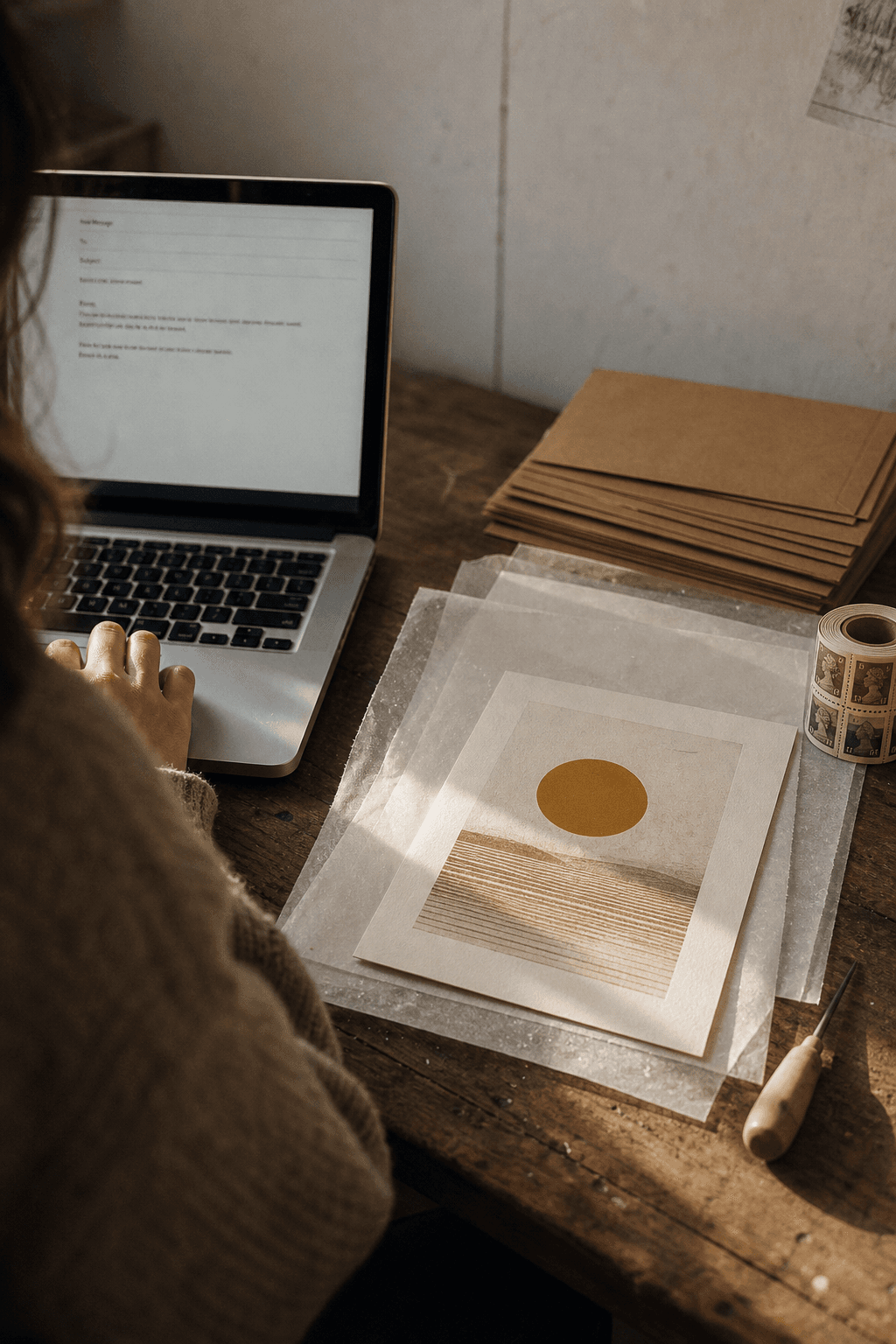
Print Club vs Newsletter: Which Format Fits Your Audience
A newsletter lands in an inbox at 7am. A print club lands on a doormat in a brown kraft envelope. The two do very different work - and choosing wrongly is expensive.
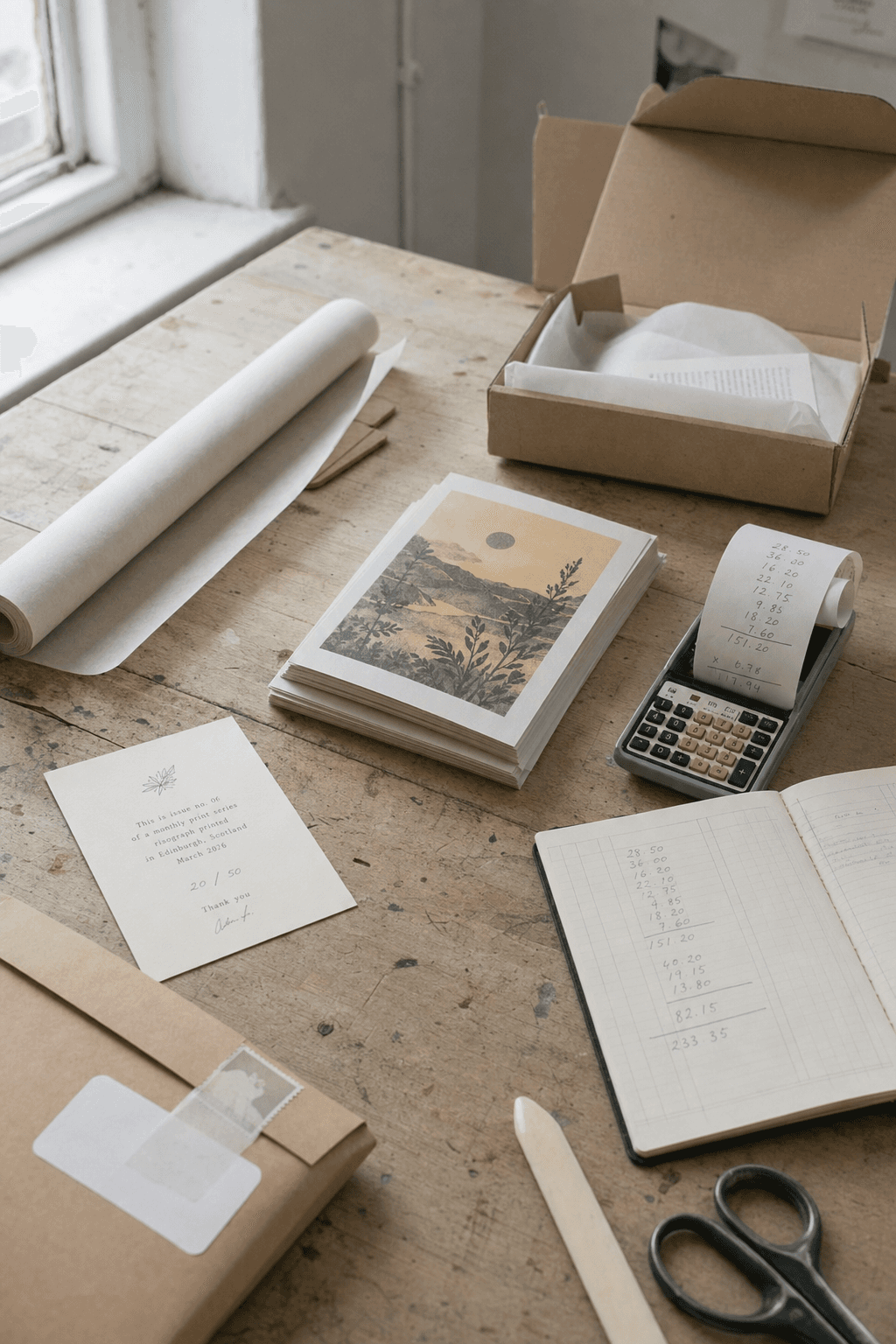
How Much Does It Cost to Start a Print Club?
A line-by-line breakdown of what it actually costs to launch a print-by-mail club in 2026 - from the press in the corner of the studio to the postage on the first parcel.